Electronic Prescription Example: From Consultation to Pharmacy
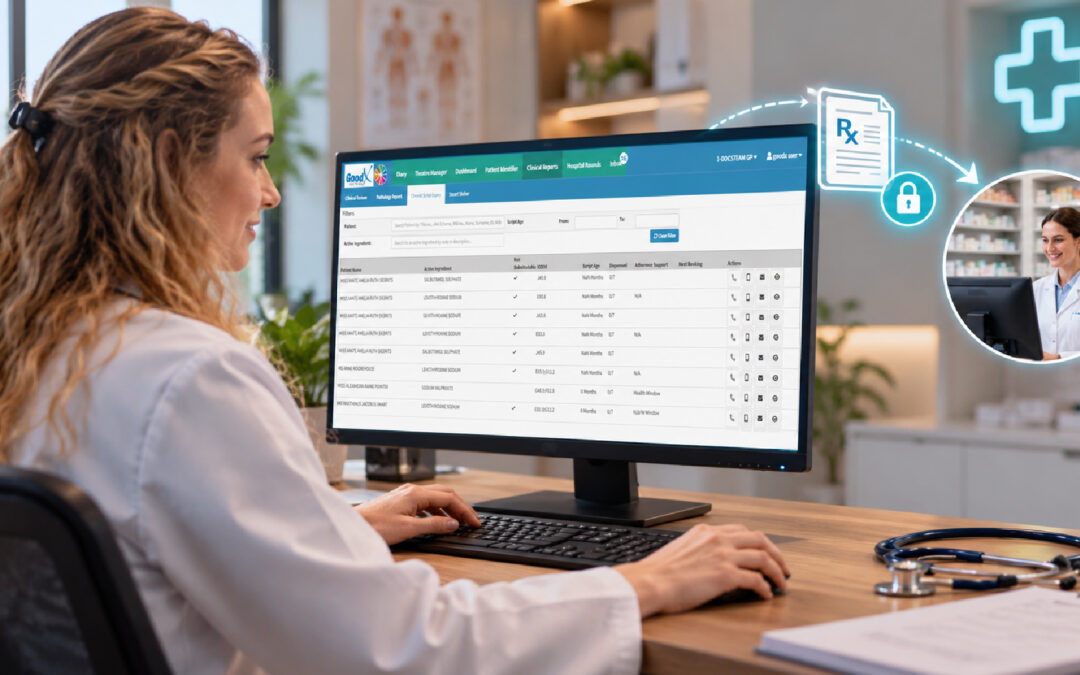
Getting a prescription no longer always means walking away from the doctor’s office with a piece of paper in your hand. An electronic prescription example shows how a prescription can move digitally from a healthcare consultation to a pharmacy, making the process more convenient while helping reduce the need for paper.
Electronic prescriptions, often called ePrescriptions, provide a digital alternative to traditional paper prescriptions. Depending on the healthcare system and technology being used, a patient may receive a prescription through SMS, email, an app, or another secure digital method.
But what does the process actually look like?
This guide follows an electronic prescription example from consultation to pharmacy, explaining what happens at each stage, how prescription tokens work, how repeat prescriptions may be handled, and what patients and healthcare providers should understand about the process.
What Is an Electronic Prescription?
An electronic prescription is essentially a digital version of a prescription.
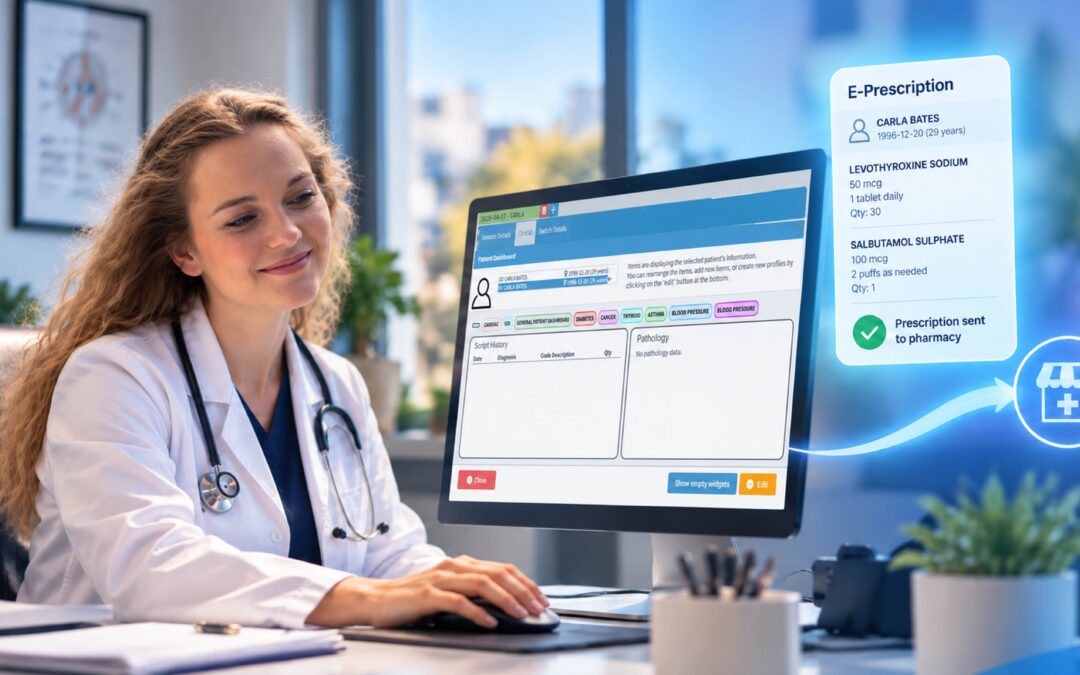
Instead of the healthcare provider writing the prescription on paper, the prescription is created electronically through a suitable clinical information system and transmitted through a secure electronic prescription service.
The patient can then use the digital prescription to obtain their medicine from a participating pharmacy.
An electronic prescription can offer several practical benefits:
- Less reliance on paper prescriptions
- Easier access to prescription information
- Reduced risk of losing a paper prescription
- A more convenient way to manage medicines
- Digital access through a smartphone or app
- Potentially smoother communication between healthcare providers, patients and pharmacies
The exact process varies between countries because electronic prescribing systems, regulations and technologies differ around the world.
However, the basic journey is often similar.
Electronic Prescription Example: The Journey From Consultation to Pharmacy
Let’s look at a simple example.
Imagine a patient has a consultation with a doctor and the doctor decides that medication is appropriate.
Instead of receiving a traditional paper prescription, the patient chooses an electronic prescription.
The journey can be broken into several stages.
1. The Patient Has a Consultation
The process begins during the consultation.
The healthcare provider assesses the patient and determines whether medicine should be prescribed.
If an electronic prescription is available within the healthcare system, the provider can create the prescription electronically.
The patient may be given a choice between receiving a paper prescription or an electronic prescription, depending on local rules and the provider’s system.
This patient choice is important. Electronic prescribing is not necessarily mandatory everywhere.
2. The Prescription Is Created Electronically
The healthcare provider creates the prescription using a compatible clinical information system.
Rather than printing the prescription, the prescription information is transmitted through an electronic prescription delivery service.
The prescription is protected using secure technology.
This is an important part of the process because an electronic prescription isn’t simply an ordinary text message containing instructions to a pharmacist.
Instead, the digital message or link can provide access to the prescription through a secure system.
3. The Patient Receives a Digital Token
One common electronic prescription example involves a digital token.
After the prescription is issued, the patient may receive an SMS or email containing a link to the prescription.
The message can contain a unique barcode or QR-style token.
The token provides a way for the pharmacy to access the relevant electronic prescription.
For example:
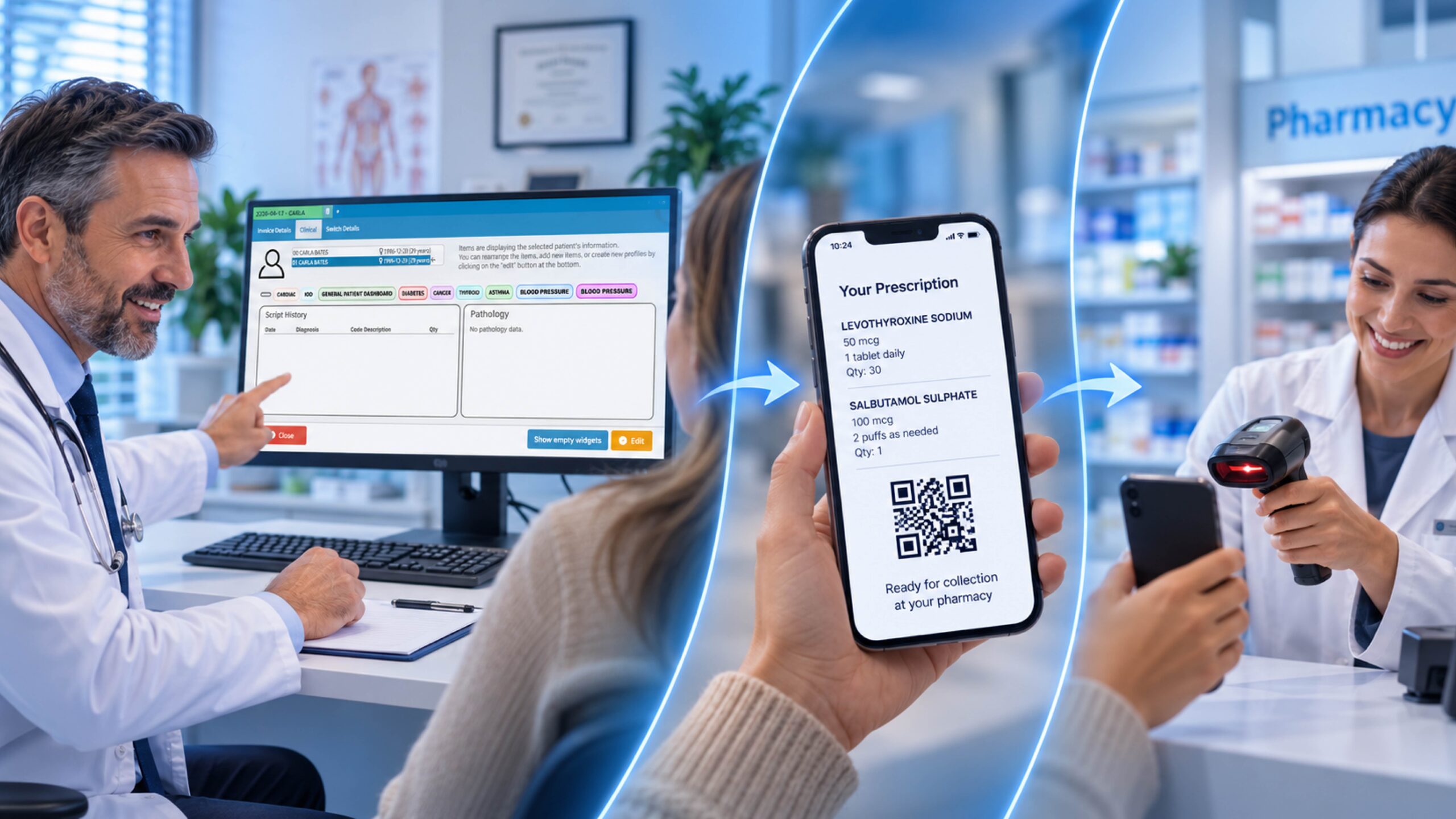
Doctor → Electronic prescription → SMS/email → Digital token → Pharmacy
The patient can keep the message on their mobile device and present it when collecting the medicine.
If multiple medicines are prescribed, a separate token may be provided for each medicine under systems that use this approach.
4. The Patient Visits a Pharmacy
The patient then goes to a participating pharmacy.
Instead of handing over a sheet of paper, they present their electronic prescription token.
The pharmacist or pharmacy staff can scan the token using the appropriate system.
The secure electronic prescription can then be accessed so the medicine can be dispensed.
The pharmacist can also provide professional advice about the medicine, including information relevant to its use.
This creates a simple digital journey:
Consultation → Digital prescription → Token → Pharmacy → Medicine
What Does an Electronic Prescription Look Like?
One of the most common questions people have is: What does an electronic prescription actually look like?
There isn’t one universal electronic prescription format used worldwide.
An electronic prescription may be represented to the patient as:
- An SMS containing a secure link
- An email containing a prescription link
- A QR code or barcode
- A digital prescription inside a healthcare app
- A prescription stored within a digital medication-management system
- A record accessible through an electronic prescription service
The important point is that the patient-facing token is not necessarily the complete prescription itself.
It can act as a secure way of accessing the prescription stored within the electronic system.
Electronic Prescription Tokens Explained
A prescription token is a key part of some electronic prescribing systems.
Think of the token as a digital key that allows the pharmacy to retrieve the relevant prescription.
The pharmacy scans the token and uses the connected electronic system to access the prescription.
This approach can provide several practical advantages.
For example, patients don’t have to carry a physical piece of paper. Instead, they can keep the token on their phone.
If a token is accidentally deleted, the patient may be able to have it resent. The exact process depends on the prescription system and local rules.
For an original prescription, the prescriber may need to be contacted. For a repeat prescription, the pharmacy that issued the repeat may be the appropriate point of contact.
What Happens With Repeat Prescriptions?
An electronic prescription can also include repeat supplies where permitted.
A useful electronic prescription example is a patient who needs ongoing medication.
After the first supply has been dispensed, the pharmacy may issue a new token for the next repeat.
The patient can then use the new token when another supply is required.
This means the original token does not necessarily remain the token used for every future supply.
Instead, the system can provide a new token as the prescription progresses.
This can make repeat dispensing easier to manage, particularly for patients who regularly take medicines.
What Is an Active Script List?
Some electronic prescribing systems provide an additional option for people managing multiple prescriptions.
An Active Script List (ASL) is a digital list containing a patient’s electronic prescriptions.
Instead of having to keep track of individual prescription tokens, the patient can give a participating pharmacy consent to access the relevant prescriptions on the list.
This can be particularly useful for people who take several medicines.
For example:
Without a digital prescription list:
Prescription 1 → Token
Prescription 2 → Token
Prescription 3 → Token
Prescription 4 → Token
Keeping track of multiple messages can become inconvenient.
With a prescription list:
Multiple electronic prescriptions → Digital list → Participating pharmacy
The concept is straightforward: fewer individual tokens for the patient to manage.
The availability and terminology of systems such as Active Script Lists are country-specific, so international readers should check how electronic prescription management works in their own healthcare system.
Can Someone Else Collect the Medicine?
In some electronic prescription systems, a patient may be able to ask another person to collect their medicine.
For example, a family member, friend or carer may collect the medicine on the patient’s behalf when the relevant requirements are met.
This can be especially useful when a patient cannot travel to the pharmacy themselves.
The precise requirements depend on the healthcare system and local regulations, so patients should check with their healthcare provider or pharmacy.
What Are the Benefits of Electronic Prescriptions?
The move from paper to digital prescribing can provide several benefits.
Convenience
Patients can receive prescription information digitally rather than having to keep track of a paper document.
Reduced Risk of Losing Paper Prescriptions
A digital prescription token stored on a mobile device can eliminate the need to carry a physical prescription.
Easier Medicine Management
Apps and digital prescription lists can help patients manage multiple prescriptions.
Greater Flexibility
In systems that support electronic prescribing, patients may have more flexibility when sending or presenting their prescription to a pharmacy.
Streamlined Pharmacy Processes
A pharmacist can retrieve the electronic prescription by scanning the relevant token through the connected system.
Improved Digital Healthcare Workflows
For healthcare providers, electronic prescribing can form part of a broader digital workflow connecting consultations, prescribing and medicine dispensing.
Is Electronic Prescribing Safe?
Electronic prescribing systems are designed to provide a secure alternative to paper prescriptions.
The security model depends on the specific healthcare system and technology being used.
For example, a token may provide controlled access to prescription information rather than exposing the complete prescription through an ordinary SMS.
Healthcare providers also need appropriate technical systems, processes and policies to use electronic prescribing correctly.
This is why electronic prescribing should not simply be viewed as “sending a prescription by text.”
It is a digital healthcare workflow involving prescription creation, secure transmission, patient access and pharmacy dispensing.
Electronic Prescription Example: A Simple Scenario
Consider this practical example.
Sarah visits her doctor because she needs medication.
During the consultation, the doctor determines that a prescription is appropriate and creates it electronically.
Sarah chooses to receive the electronic prescription.
She receives an SMS containing a link to a digital prescription token on her phone.
Later, Sarah visits a participating pharmacy.
She presents the token on her smartphone.
The pharmacist scans the token, retrieves the electronic prescription through the secure system and dispenses the medicine.
If the prescription includes a repeat, Sarah may receive a new token when the next supply becomes available.
That’s the basic electronic prescription example — from consultation, through digital prescribing, to pharmacy dispensing.
Where Practice Management Software Fits In
Electronic prescribing isn’t only a patient-facing technology. Healthcare practices also need the right infrastructure and processes to support a smooth prescribing workflow.
Depending on the country and system, providers may need:
- Compatible clinical software
- Appropriate healthcare identifiers
- Connection to an electronic prescription delivery service
- Accurate patient contact information
- Staff training
- Appropriate prescribing policies
- Awareness of relevant legislation and regulations
This is where practice-management and clinical software can become useful.
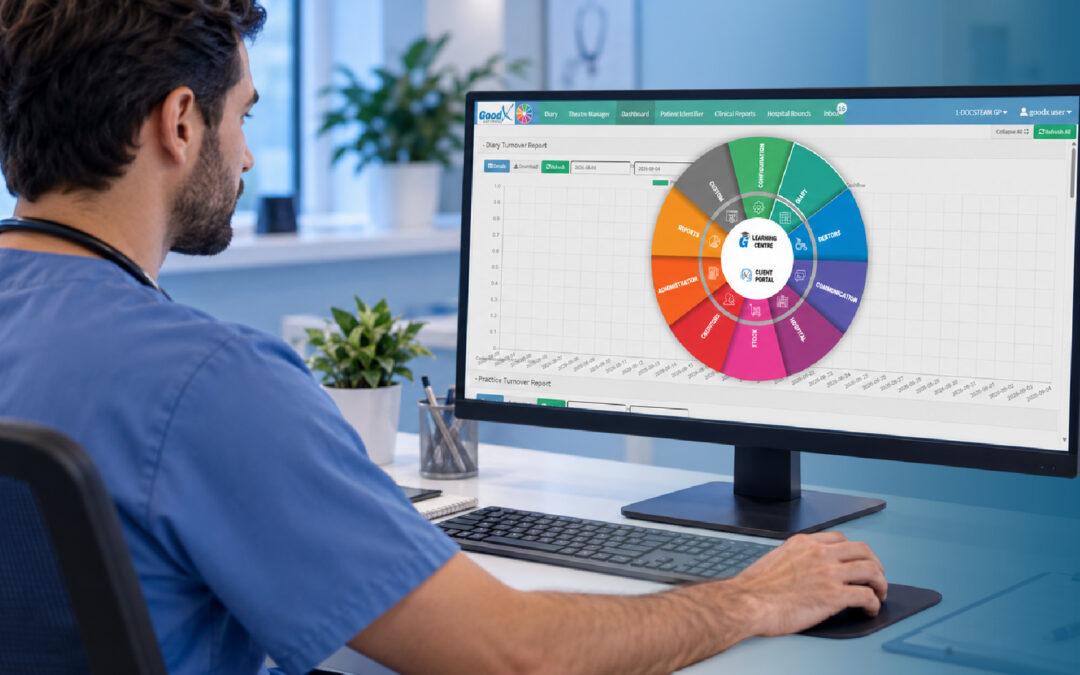
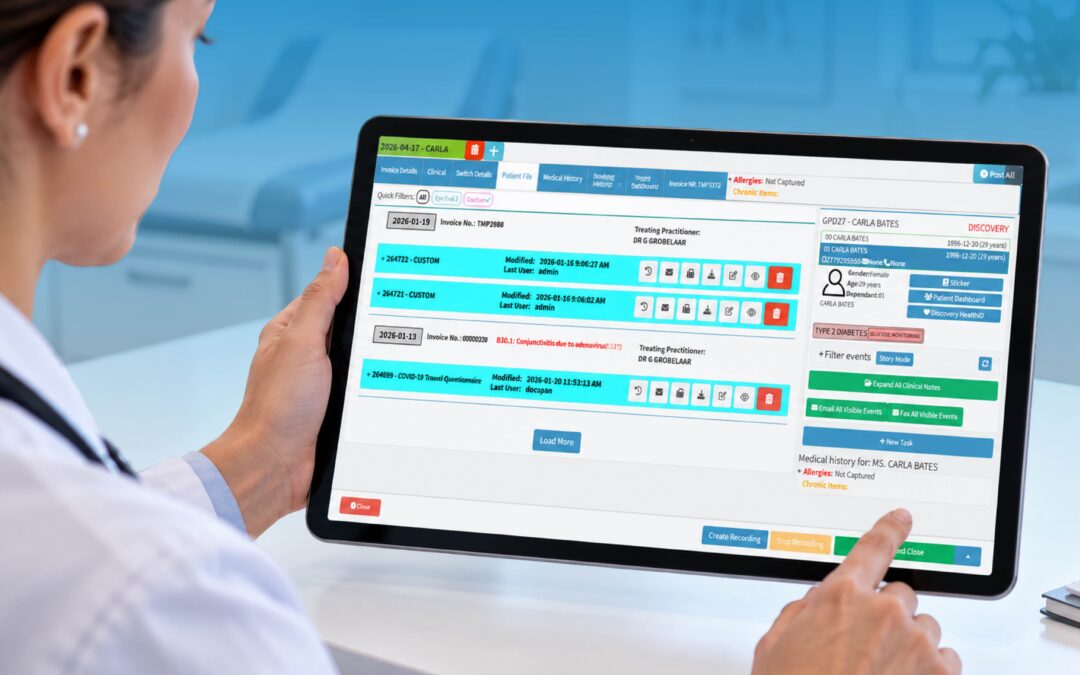
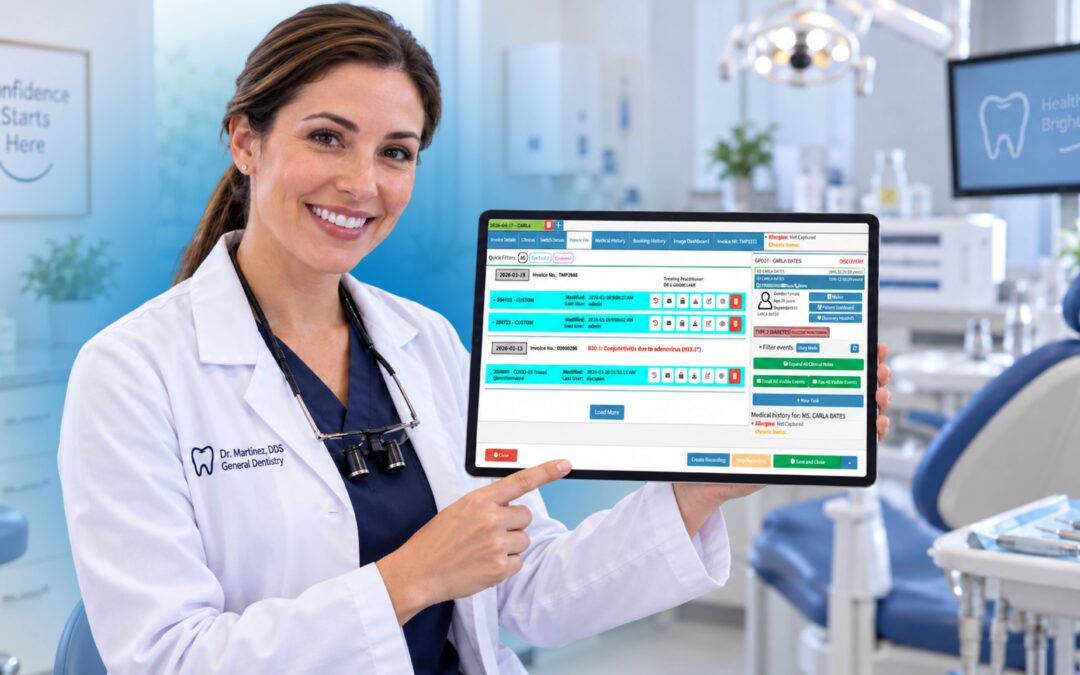
GoodX, for example, provides healthcare practices with tools for managing clinical and administrative workflows. By bringing important practice processes together within a digital environment, software can help practices adapt to increasingly digital healthcare workflows.
The exact electronic prescribing functionality available will depend on the healthcare system, country, integrations and applicable regulations. Practices should therefore ensure their software and workflows are appropriately configured for the electronic prescription services available to them.
The technology should ultimately support the healthcare professional rather than make the process more complicated.
For patients, the experience can remain simple:
Consultation → Electronic prescription → Digital token/access method → Pharmacy → Medicine
Behind that straightforward journey, however, healthcare practices need reliable systems, appropriate security and well-managed workflows.
Electronic Prescriptions and Digital Practice Management
Electronic prescribing works best when it forms part of a connected healthcare workflow rather than being treated as an isolated feature.
A modern practice may need to manage several steps around a prescription — from recording the consultation and maintaining patient information to creating the prescription and communicating with the patient.
Practice-management and clinical software such as GoodX can help bring different parts of a practice’s workflow together, reducing reliance on disconnected administrative processes.
The important point is that digital healthcare technology should make everyday practice processes more manageable.
When systems are properly connected, healthcare professionals can spend less time dealing with unnecessary administrative friction and more time focusing on patient care.
Electronic Prescriptions Around the World
One important point is that electronic prescribing is not a single global system.
Different countries have developed their own approaches to digital prescriptions.
Some systems rely heavily on electronic health records. Others use prescription tokens, QR codes, pharmacy networks, national digital health platforms or mobile applications.
As a result, an electronic prescription example from one country may look very different from one used elsewhere.
The underlying idea, however, is similar:
A healthcare professional creates a prescription digitally, the prescription is securely transmitted or stored, and an authorised pharmacy uses the electronic information to dispense the medicine.
Patients should always follow the requirements that apply in their own country.
Healthcare practices should likewise ensure that their electronic prescribing processes comply with the relevant local laws, regulations and technical requirements.
The Future of Electronic Prescribing
Electronic prescribing is part of a much broader shift toward digital healthcare.
As healthcare systems become increasingly connected, prescriptions can become one component of a digital patient journey that includes consultations, health records, medication management and pharmacy services.
For patients, the goal is relatively simple: make accessing and managing medicines easier without compromising safety.
For healthcare providers, electronic prescribing can help reduce paper-based processes and integrate prescribing into existing digital workflows.
Practice-management platforms such as GoodX can play a supporting role in this wider digital transformation by helping practices manage the information and workflows surrounding day-to-day healthcare delivery.
The technology will continue to evolve, but the basic journey remains easy to understand.
Frequently Asked Questions About Electronic Prescriptions
What is an electronic prescription?
An electronic prescription is a digital version of a prescription created and transmitted through an electronic prescribing system instead of being provided solely as a paper document.
How does an electronic prescription work?
A healthcare professional creates the prescription electronically. Depending on the system, the patient may receive a token, QR code, link, email, SMS or app-based prescription access. The pharmacy then uses the relevant system to retrieve and dispense the prescription.
What is a prescription token?
A prescription token is a digital method used by some electronic prescribing systems to allow a pharmacy to access the relevant electronic prescription.
Can I lose an electronic prescription?
You can lose or delete access to a digital token, just as you can lose a paper prescription. In systems that support token replacement or resending, the patient may be able to request access again from the appropriate healthcare provider or pharmacy.
Are electronic prescriptions available everywhere?
No. Electronic prescribing availability, technology and regulations vary between countries and healthcare systems.
Can someone else collect my medicine?
In some systems, a family member, carer or another authorised person may collect medicine on behalf of a patient. The exact requirements vary by country and pharmacy.
Is an electronic prescription the same as a paper prescription?
An electronic prescription serves a similar prescribing purpose, but the format and delivery method are different. Electronic prescriptions are created and managed digitally, while paper prescriptions rely on a physical document.
Final Thoughts
This electronic prescription example demonstrates how a prescription can move from a doctor’s consultation to a pharmacy without relying on traditional paper.
The patient receives a digital prescription, often through a token delivered by SMS, email or an app. The pharmacy then uses the token to access the prescription through the relevant secure electronic system and dispense the medicine.
For patients taking several medicines, digital prescription-management solutions can make the process even more convenient.
For healthcare practices, electronic prescribing is one part of a larger movement toward connected digital workflows. The right clinical and practice-management software can help practices manage these workflows efficiently while keeping the focus on patient care.
However, electronic prescribing works differently across countries. Regulations, prescription formats, pharmacy requirements and digital health infrastructure can all vary.
As healthcare continues to move toward digital-first workflows, understanding how electronic prescriptions work can help both patients and healthcare professionals navigate this changing part of medicine.
In simple terms: consultation → electronic prescription → digital token or access method → pharmacy → medicine.
That is the journey behind an electronic prescription.
Contact our team to book your free GoodX demo.
Disclaimer: This article is provided for general informational and educational purposes only. While GoodX Software takes reasonable care to ensure that the information is accurate and current at the time of publication, laws, regulations, industry standards, healthcare policies and technology may change. The content should not be regarded as medical, legal, financial or other professional advice. Readers should verify information relevant to their circumstances and consult an appropriately qualified professional where necessary. GoodX Software accepts no responsibility for decisions made or actions taken solely on the basis of this content.