Picture the changeover. The night nurse is gathering her bag, the day team is already asking about bed four, and somebody’s phone is ringing in the corridor. In ninety seconds, everything she knows about a deteriorating patient has to move from one head into another. A good clinical handover template is what stops that moment relying on memory and goodwill.
The same scene plays out in outpatient practices, just more quietly. A locum covers Thursday, a partner returns from leave, a nurse takes over the wound-care list. Shift change communication is rarely dramatic, yet it’s where small gaps turn into missed results, repeated tests and annoyed patients.
This guide gives you a template you can adapt, explains how to build the habit around it, and shows how your practice systems can carry some of the load. It’s deliberately practical. Nothing here depends on one country’s regulations, though you should always check your own regulator’s expectations for records and confidentiality.
Building a Clinical Handover Checklist People Will Actually Use
The best clinical handover checklist is short. If it runs to two pages, it’ll be ticked mindlessly or ignored by week three. Aim for something that fits on one screen and can be completed in under two minutes per patient.
A format that holds up well across settings is a variation on the familiar situation, background, assessment, recommendation approach. Adapt the wording to your own work, but keep these fields:
- Who: name, age, a second identifier, and where the patient is or how to reach them
- Why now: the main problem or reason for the handover
- What’s been done: key findings, treatments given, results back
- What’s pending: tests, referrals, calls promised, and by when
- What could go wrong: allergies, deterioration signs, safeguarding or communication needs
- Who owns the next step: a named person, not “the team”
That last field is the one practices forget. A task without a name beside it is a task nobody does.
Resist the temptation to paste in the entire chart. The National Academy of Medicine has argued that clinical notes drifted towards billing-driven documentation, and that records work best when limited to what’s clinically essential. Handover is the same discipline in miniature. Say what the next clinician needs, and point to the record for the rest.
Structured Patient Handover: Making the Conversation Predictable
Structure isn’t bureaucracy. It’s what lets a tired person at the end of a long shift still say the right things in the right order. When every handover follows the same sequence, the listener knows where the missing piece should be and can ask for it.
Decide the basics once. Where does handover happen, who attends, and how long is each patient allowed? Some teams stand at the board for five minutes, others use a short written summary sent before the conversation. Either works, provided it’s the same every day and interruptions are kept to a minimum.
Read-back is worth the awkwardness. The receiving clinician repeats the key points, particularly medication changes and pending actions, and the person handing over corrects anything that’s drifted. It takes fifteen seconds. It catches the “I thought you said 5 mg” errors that otherwise surface three days later.
Remote work adds a wrinkle. If a colleague is covering telehealth sessions, the same fields apply, but you also need to know how the visit was booked, what the patient was told about privacy, and where the follow-up will sit. The US Department of Health and Human Services’ telehealth workflow guidance is a useful reminder to settle staffing, record integration and scheduling before you launch, rather than improvising when someone is off sick.
Continuity of Care in Practice: Where Handovers Break Down
Continuity of care in practice rarely fails because clinicians don’t care. It fails at the seams: the result that arrives after the doctor who ordered it has gone home, the patient who was told “someone will call you” and nobody did. Most of these are patient information transfer problems rather than clinical ones.
Reducing handover errors starts with knowing where yours happen. Spend a fortnight collecting near-misses. You’ll probably find the same three or four patterns, such as unowned test results, unclear medication changes, or verbal promises that never reached the notes. Then fix those first, not everything at once.
Records matter here more than people admit. The Medical Protection Society’s guide to record keeping stresses that entries should be legible, made at the time, factual and complete, and that corrections should be dated and signed rather than overwriting the original. A handover is only as reliable as the notes behind it. If the chart is vague, the verbal summary will be too.
Delegation helps as well. Family physicians writing in Family Practice Management describe handing routine tasks to trained staff, such as refills and patient messages, which frees clinicians to concentrate on the complex cases that really need a careful handover. Fewer trivial items in the queue means the important ones stand out.
Privacy runs through all of it. Handover details are sensitive, so keep conversations out of waiting rooms, avoid personal messaging apps, and follow your own regulator’s confidentiality rules. Where you practise determines which laws apply, so check locally rather than assuming.
Where GoodX Fits Into Your Handover Routine
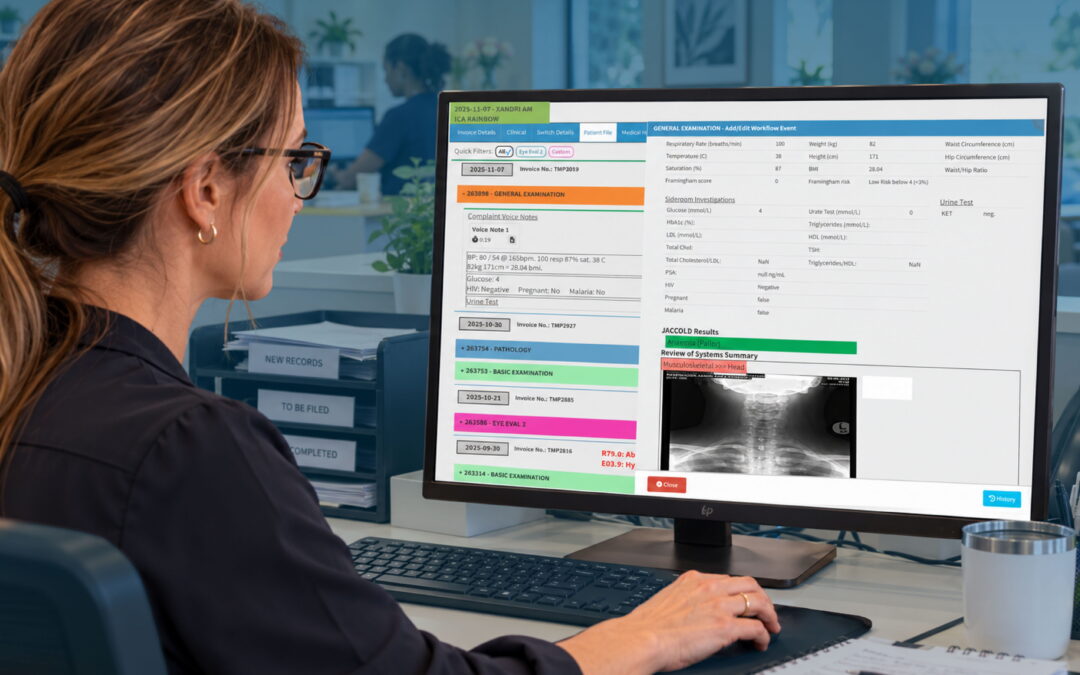
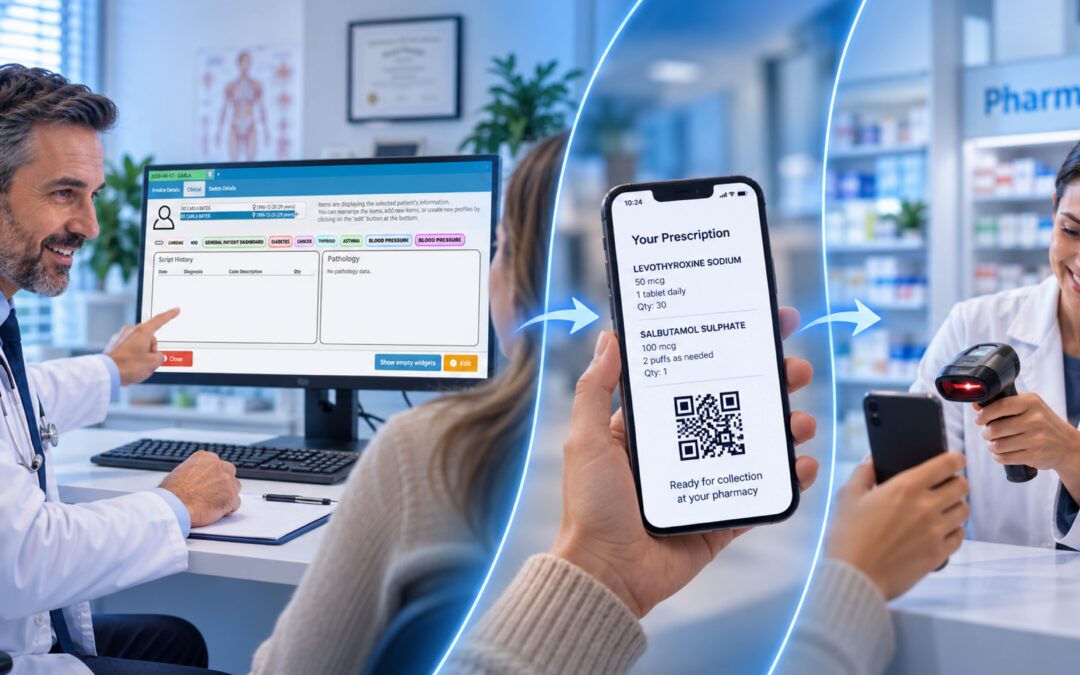
A template on paper is a good start, but paper gets lost, and a spreadsheet nobody updates is worse. GoodX practice management software gives your team one place to hold the clinical record, bookings and follow-up tasks, so the information a colleague needs isn’t scattered across three systems and a sticky note.
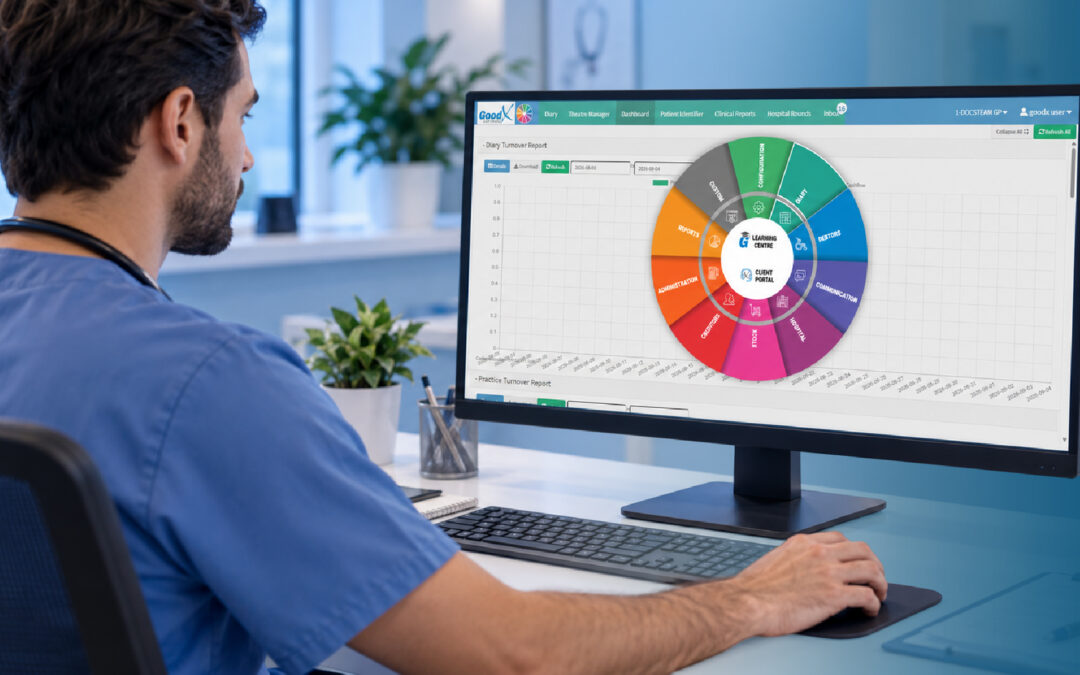
In practice, that means a covering clinician can open the record and see recent notes, pending items and upcoming appointments together. Automated reminders and task assignment help make sure that “who owns the next step” gets a real answer. Reporting tools let you spot patterns, such as recurring delays in following up results, so you can fix the process and not just the person.
Billing and claims sit in the same system, which matters more than it sounds. When clinical and administrative data aren’t split apart, fewer details get retyped at handover, and fewer rejected claims land on your desk because a procedure wasn’t recorded. [INTERNAL LINK: clinical records and workflow tools -> GoodX clinical records page]
Compliance is the quiet benefit. Access controls and audit trails help you show who viewed or changed a record, which supports your obligations under whatever privacy rules apply to you. If you’d like to see how this could map onto your own template, [INTERNAL LINK: see how GoodX supports practice teams -> GoodX features overview] is a sensible next stop.
Rolling It Out Without Starting a Rebellion
Pilot the template with one team for two weeks. Ask them what felt clumsy, cut a field or two, and only then extend it. People accept tools they helped shape.
Name a handover lead for each shift or clinic day. Their job isn’t policing; it’s noticing when the routine slips and nudging it back. Review a handful of real handovers monthly, looking for missing fields and unowned actions, and share what you find without blame.
Keep the documentation light. The AAFP’s advice on reducing administrative and documentation burden points to customised templates and delegation rather than extra typing, and that’s the right instinct. If your template adds ten minutes of charting per shift, it will quietly die. If it removes the phone calls and “can you just remind me” interruptions, it will stick. [INTERNAL LINK: practice workflow resources -> GoodX blog hub]
For wider context on how health systems are approaching digital records, the World Health Organization’s digital health work is a good place to read around.
Frequently Asked Questions
What is a clinical handover template?
A clinical handover template is a standard set of prompts used when care passes from one clinician to another. It covers who the patient is, why they need care, what’s been done, what’s pending and who owns the next step. Using the same format each time reduces omissions and misunderstandings.
How long should a handover take?
Aim for roughly one to two minutes per patient for routine cases, with more time for complex or deteriorating patients. The exact figure depends on your setting. What matters is that the format is consistent, interruptions are limited, and nothing urgent is squeezed out by time pressure.
Should handover be verbal, written or both?
Both usually works best. A short written summary gives the receiver something to refer back to, while a brief conversation lets them ask questions and confirm details. Read-back of medication changes and pending actions adds a useful safety check.
How do we reduce handover errors in a small practice?
Start by recording near-misses for a couple of weeks to find your recurring gaps. Then introduce a one-page template, name an owner for every pending task, and review a few handovers each month. Small, steady changes beat a large overhaul.
Can practice software help with handover?
Yes, if it keeps clinical notes, bookings, tasks and reminders in one place. That lets a colleague see current information without chasing it, and makes follow-up actions visible. Software supports a good process, but it can’t replace clear ownership and consistent habits.
Book your free GoodX demo
If you’d like to see how a handover template could sit inside your daily workflow, book a free demo at goodx.international. We’ll walk through records, tasks and reporting using scenarios that look like your own practice.
Disclaimer: This article is provided for general informational and educational purposes only. While GoodX Software takes reasonable care to ensure that the information is accurate and current at the time of publication, laws, regulations, industry standards, healthcare policies and technology may change. The content should not be regarded as medical, legal, financial or other professional advice. Readers should verify information relevant to their circumstances and consult an appropriately qualified professional where necessary. GoodX Software accepts no responsibility for decisions made or actions taken solely on the basis of this content.