Healthcare CRM: What It Is and Why Medical Practices Need It
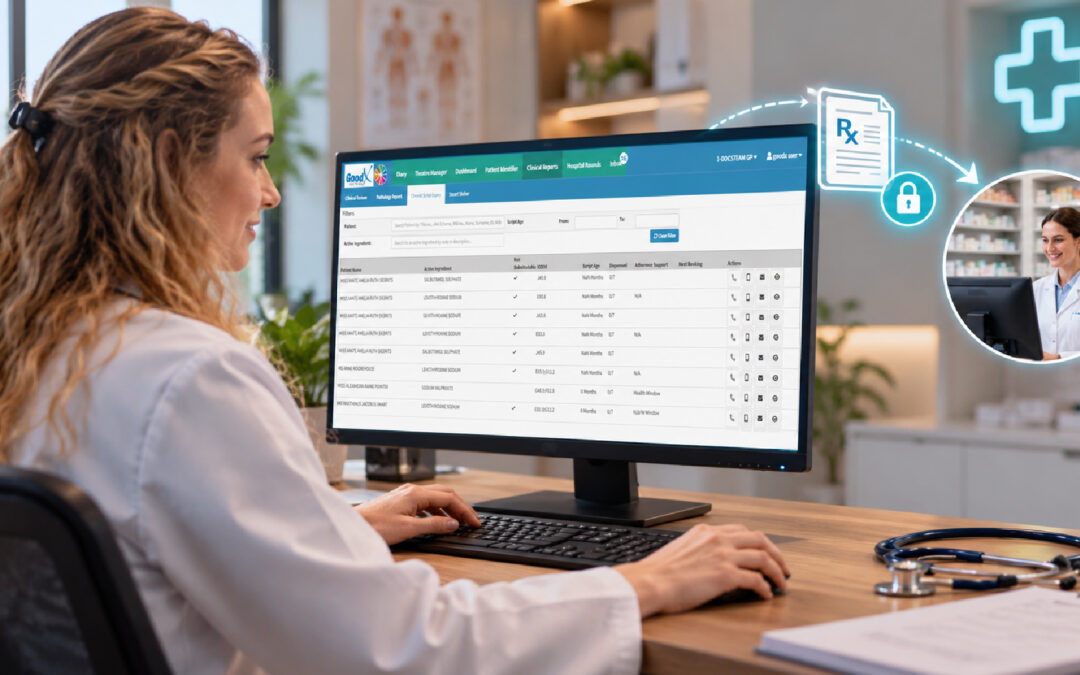
Healthcare CRM is changing how medical practices manage patient relationships, communication and everyday operations. Instead of relying on disconnected spreadsheets, paper records and separate communication tools, healthcare CRM technology can help practices bring important patient and administrative information together.
But what exactly is a healthcare CRM, how does it work, and why does it matter to a modern medical practice?
What Is Healthcare CRM?
A healthcare CRM (Customer Relationship Management) system is software designed to help healthcare organisations manage their relationships and interactions with patients.
Unlike a general business CRM, healthcare CRM technology is designed around healthcare workflows and patient needs. It can help practices organise patient information, manage communication, track interactions and automate repetitive administrative tasks.
A healthcare CRM may help manage:
- Patient information
- Appointment history
- Patient communication
- Follow-up activities
- Appointment reminders
- Patient engagement
- Referral information
- Administrative workflows
- Reporting and analytics
The main goal is to give healthcare teams a more connected view of the patient journey while making everyday processes easier to manage.
How Does Healthcare CRM Work?
A healthcare CRM brings patient interactions and related information into a more centralised system.
For example, when a patient contacts a medical practice, staff may need to manage the enquiry, find the patient’s information, schedule an appointment, send a reminder and arrange follow-up communication.
With connected healthcare software, many of these activities can be managed through the same platform.
A typical healthcare CRM process can include:
- Patient contact – A patient calls, submits an enquiry or requests an appointment.
- Information management – Relevant patient information is captured or updated.
- Appointment scheduling – The appointment is arranged.
- Communication – Reminders or notifications are sent.
- Patient interaction – The healthcare professional accesses the information needed for the consultation.
- Follow-up – Future appointments or communications can be managed.
- Reporting – The practice can review relevant operational information.
This can reduce repetitive administration and help staff provide a more consistent patient experience.
Why Do Medical Practices Need Healthcare CRM?
Healthcare is built around relationships.
Patients may interact with a practice through reception, telephone calls, email, online bookings, consultations, reminders and follow-ups. When these interactions are fragmented, important information can become difficult to find.
Healthcare CRM can help practices manage these touchpoints more efficiently.
Better Patient Relationships
Patients want healthcare experiences that are convenient, responsive and personalised.
A healthcare CRM can help staff understand previous interactions and access relevant information when communicating with patients.
Instead of treating every interaction as a separate event, practices can create a more connected patient experience.
Improved Patient Engagement
Patient engagement doesn’t end when an appointment is booked.
Healthcare practices need to maintain communication with patients before and after appointments and, where appropriate, throughout their healthcare journey.
CRM tools can support engagement through:
- Appointment reminders
- Follow-up messages
- Patient education
- Email and SMS communication
- Online appointment requests
- Patient portals
- Automated notifications
These tools can make it easier for patients to stay connected with their healthcare provider.
More Efficient Communication
Medical practices handle a large amount of communication every day.
Receptionists communicate with patients, practitioners communicate with patients and administrators coordinate appointments and other activities.
A centralised system can reduce the need to move between multiple tools.
Less searching, less duplication and fewer administrative bottlenecks can give healthcare teams more time to focus on patients.
Automation of Repetitive Tasks
Many administrative tasks are necessary but repetitive.
Appointment reminders are one example. Manually contacting every patient can take considerable staff time.
Healthcare software can automate routine workflows such as:
- Appointment reminders
- Patient notifications
- Data entry
- Follow-up tasks
- Scheduling
- Administrative processes
The purpose of automation isn’t to replace the human side of healthcare.
It is to reduce unnecessary administrative work so staff can spend more time on the work that requires human attention.
Important Healthcare CRM Features
The exact features required will depend on the size and type of medical practice. However, several capabilities are particularly useful.
Centralised Patient Information
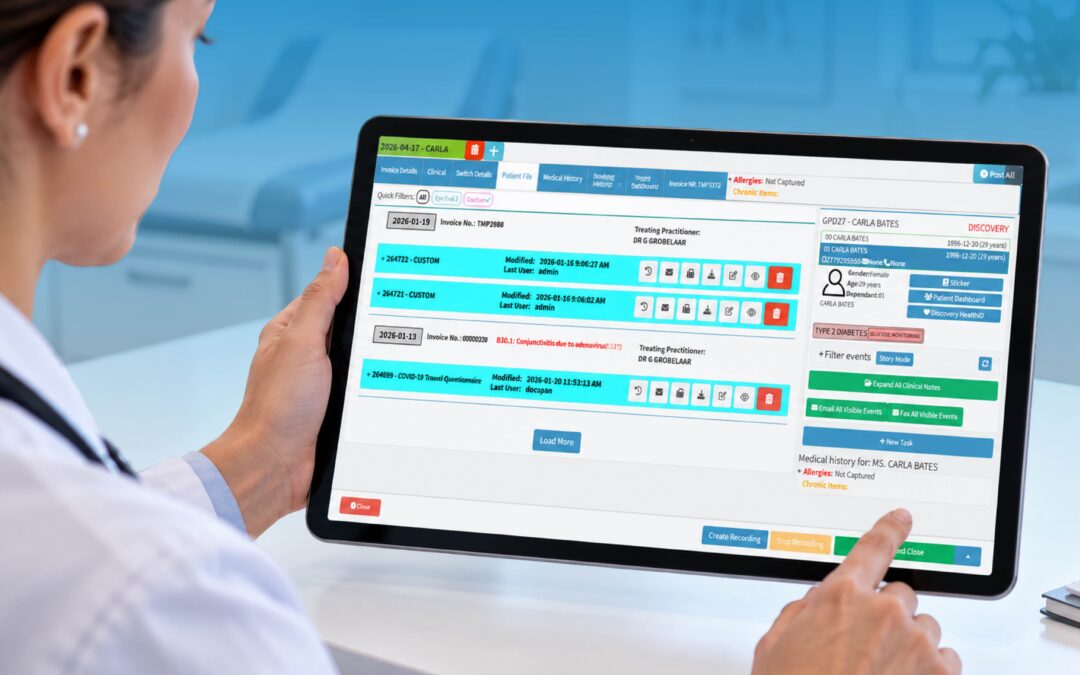
A centralised patient view can help authorised staff access relevant information without searching through multiple systems.
Appointment Management
Scheduling is an important part of the patient experience. Healthcare software can help practices manage appointments, availability, cancellations and reminders.
Patient Communication
Communication tools can support SMS, email, notifications and other forms of patient interaction.
Patient Portals
Patient portals can provide convenient access to selected services and information, depending on the software and applicable privacy requirements.
Workflow Automation
Automation can reduce repetitive administrative work and help ensure important tasks are completed consistently.
Reporting and Analytics
Reporting tools can help practices understand operational performance and identify areas where processes could be improved.
Security and Access Controls
Healthcare information is sensitive. Any system handling patient information should provide appropriate security, authentication and access controls and support the relevant regulatory requirements for the market in which the practice operates.
Where Does GoodX Fit Into Healthcare CRM?
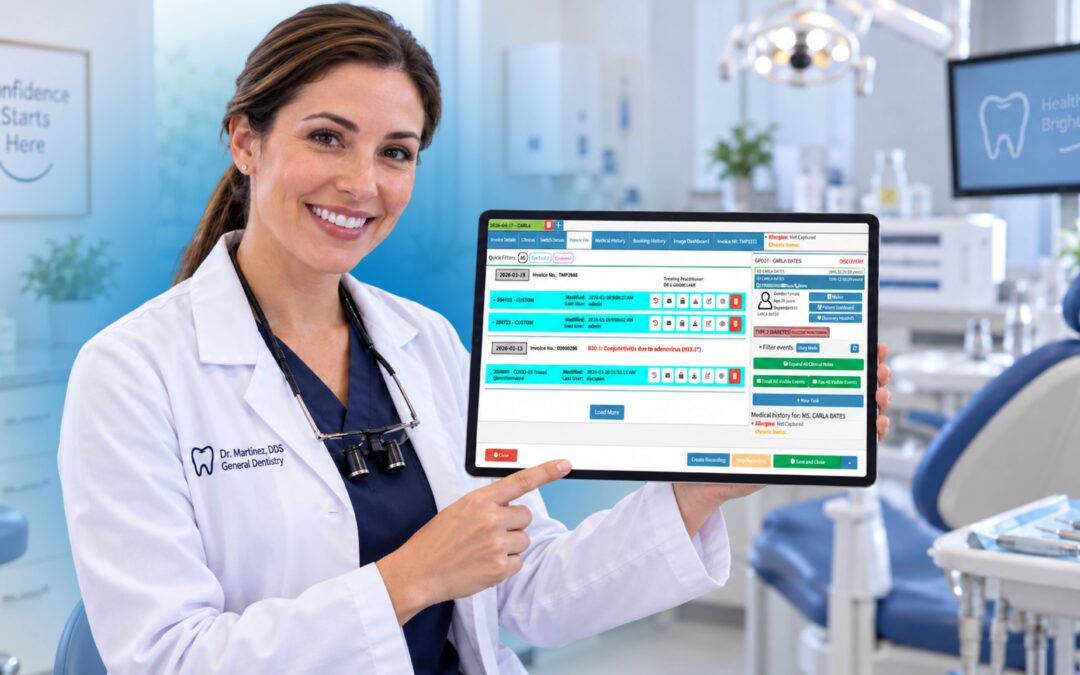
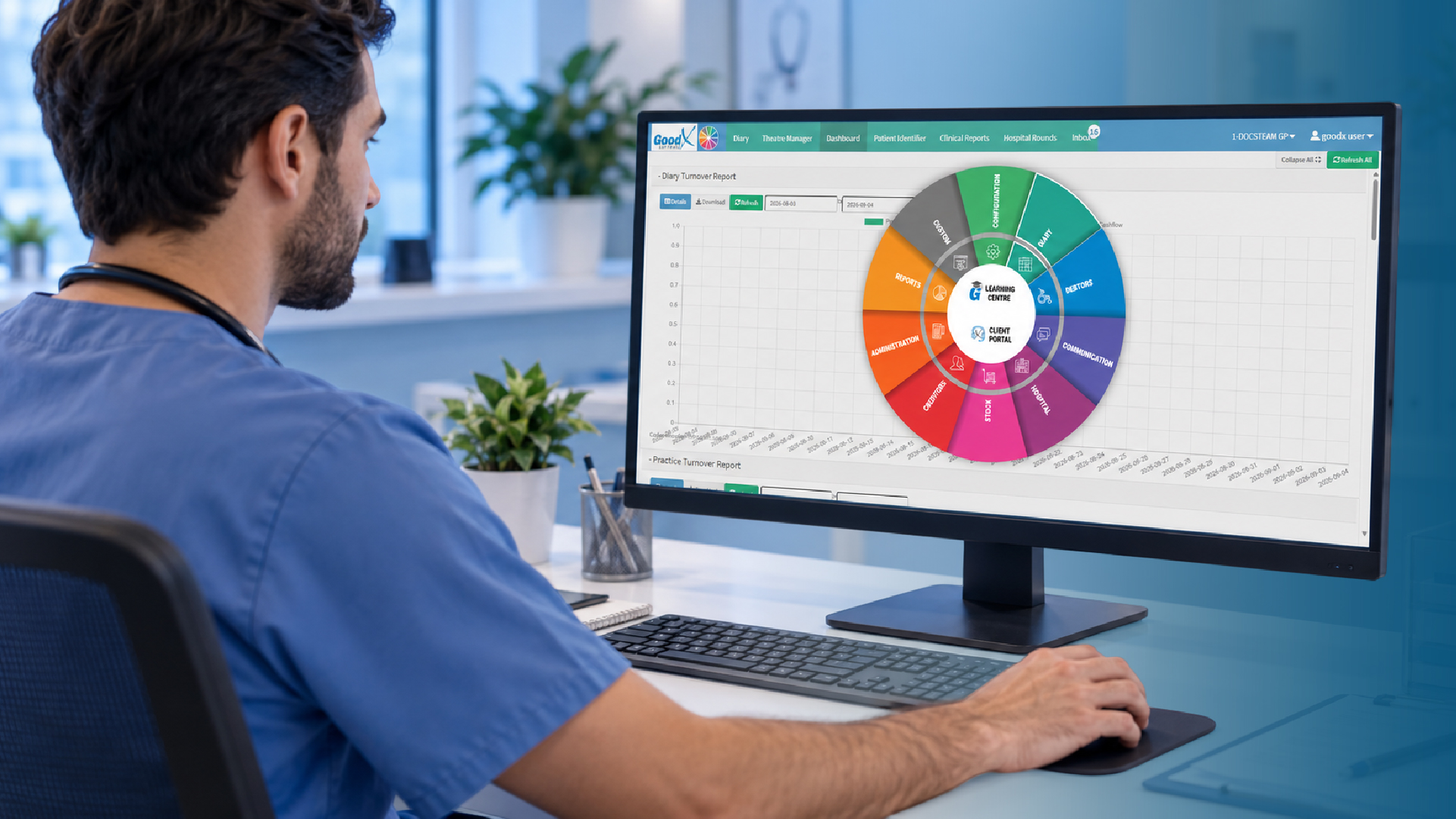
GoodX fits into the healthcare CRM conversation as an integrated medical practice management platform with patient relationship management capabilities.
Rather than being a standalone CRM focused only on customer interactions, GoodX brings together a wider range of medical practice functions.
These include patient management, scheduling, clinical notes, billing, claims processing, reporting and communication.
This integrated approach can be valuable because patient relationships don’t exist separately from the rest of a medical practice.
Consider a typical patient journey.
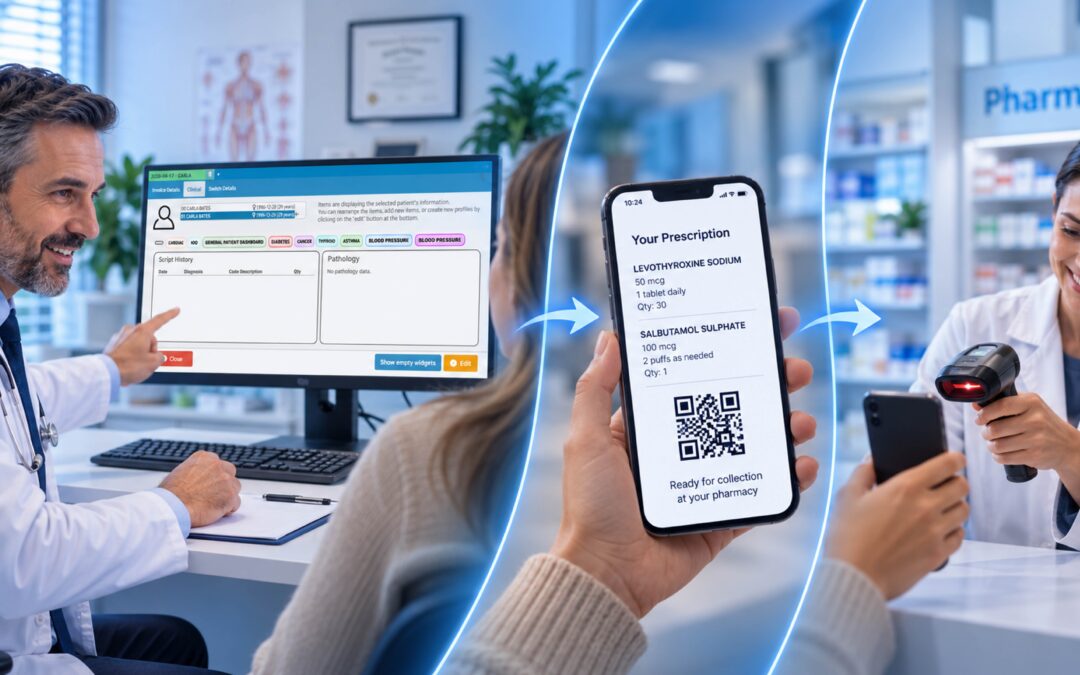
A patient books an appointment. The practice manages the appointment, accesses the patient’s information, records the consultation, communicates with the patient and handles the associated administration.
When these activities are spread across different systems, staff may have to repeatedly enter or transfer information.
An integrated platform can connect these processes.
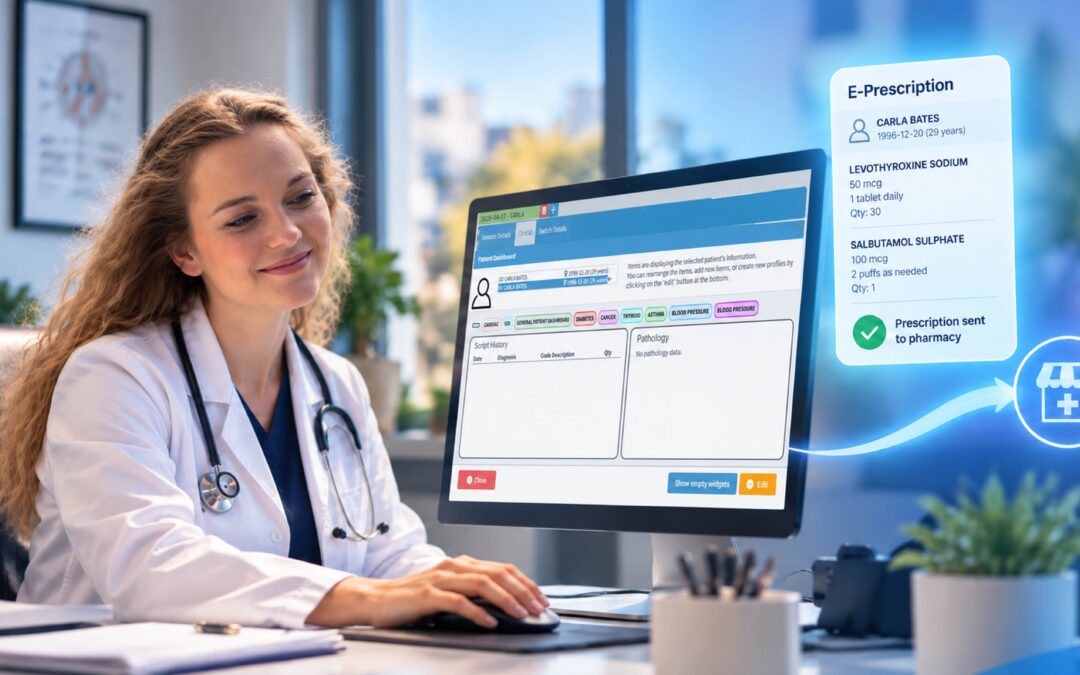
GoodX provides tools including an appointment diary, online booking functionality, SMS communication, electronic clinical notes and patient records, as well as billing and claims functionality.
This means GoodX can support the patient relationship and the operational processes surrounding that relationship from within one practice-management environment.
For medical practices looking beyond a standalone CRM, this distinction is important.
The question isn’t simply whether a system can store patient contacts. It’s whether the technology can support the broader workflow that happens before, during and after the patient interaction.
Benefits of an Integrated Healthcare Platform
Connecting patient management with clinical and administrative workflows can provide several advantages.
Greater Efficiency
Staff can spend less time switching between systems and searching for information.
Better Patient Experience
Appointments, reminders and communication can become easier for patients to manage.
Reduced Duplication
Connected workflows can reduce unnecessary repeated data entry.
Improved Staff Productivity
Administrative processes can be streamlined, allowing teams to focus on higher-value activities.
Connected Practice Management
Patient activity can be connected with scheduling, clinical documentation, billing and other practice processes.
This is one of the main reasons integrated healthcare software is becoming increasingly important to modern medical practices.
Is Healthcare CRM Only for Large Healthcare Organisations?
No.
Healthcare CRM principles can apply to practices of different sizes.
A small medical practice may need patient management, scheduling, reminders, communication and billing.
A larger practice may require additional capabilities such as multiple practitioners, multiple diaries, advanced reporting, role-based access and more complex workflows.
The important thing is choosing technology that matches the practice’s actual needs.
A system that is unnecessarily complicated can create problems of its own. On the other hand, a system that lacks essential functionality can leave staff relying on spreadsheets and disconnected tools.
What Should Medical Practices Look for in Healthcare CRM Software?
Choosing healthcare CRM software should involve more than simply comparing feature lists.
Medical practices should consider:
Ease of use: Will practitioners and administrative staff be comfortable using the system every day?
Integration: Can the platform connect the different areas of the practice?
Patient communication: Does it support effective reminders and patient communications?
Clinical functionality: Can it support the clinical documentation the practice requires?
Security: How is sensitive patient information protected?
Scalability: Can the system grow as the practice grows?
Reporting: Can the practice access useful information about its operations?
Local requirements: Does the software support the regulatory, billing and healthcare requirements relevant to the country where the practice operates?
These considerations can help practices choose a platform based on their real-world requirements rather than simply selecting the system with the longest list of features.
The Future of Healthcare CRM
Healthcare is becoming increasingly digital, but technology alone doesn’t improve the patient experience.
The real opportunity comes from using technology to connect people, information and processes.
Healthcare CRM can help practices communicate with patients more effectively, automate repetitive work and create a more organised patient journey.
The future is likely to involve increasingly connected healthcare systems, greater automation, digital patient engagement and more intelligent use of data.
For medical practices, the question is therefore becoming less about whether they need another piece of software and more about how their technology can work together.
Final Thoughts
Healthcare CRM can help medical practices improve patient relationships, communication and operational efficiency.
The greatest value comes when patient engagement isn’t isolated from the rest of the practice.
Appointments, communication, clinical information and administration all form part of the patient journey. Connecting these processes can reduce unnecessary work and create a smoother experience for both patients and healthcare teams.
This is where GoodX can fit into the picture.
As an integrated medical practice management platform, GoodX brings together patient management, scheduling, clinical notes, billing, claims, reporting and patient communication.
For practices looking for more than a standalone CRM, an integrated approach can provide a practical way to manage both patient relationships and the everyday operations that support them.
Ultimately, the right healthcare CRM or practice-management solution depends on the needs of each organisation.
But the objective should remain the same: use technology to make healthcare easier for practices to manage and better for patients to experience.
Frequently Asked Questions About Healthcare CRM
What is healthcare CRM?
Healthcare CRM is software designed to help healthcare organisations manage patient relationships, interactions, communication and engagement. It can support patient information, scheduling, follow-ups and workflow automation.
Why do medical practices use healthcare CRM?
Medical practices can use healthcare CRM to improve patient communication, automate repetitive administrative tasks, manage appointments, support patient engagement and create a more connected patient experience.
Can healthcare CRM improve patient engagement?
Yes. Features such as appointment reminders, personalised communication, patient portals and follow-up workflows can help practices maintain communication with patients.
What features should healthcare CRM software have?
Important features can include patient information management, appointment scheduling, communication tools, workflow automation, reporting, patient portals and appropriate security controls.
Does GoodX have healthcare CRM functionality?
GoodX is primarily an integrated medical practice management platform, but it includes patient relationship management capabilities alongside scheduling, clinical notes, billing, reporting and communication tools.
Is GoodX a CRM or practice management system?
GoodX is best described as a medical practice management system with patient relationship management capabilities. It connects clinical, administrative and financial workflows within a broader practice-management environment.
Can healthcare CRM reduce administrative work?
It can. Automation, centralised information, appointment management and integrated communication can reduce repetitive administrative tasks and help healthcare teams work more efficiently.
Contact our team to book your free GoodX demo.
Disclaimer: This article is provided for general informational and educational purposes only. While GoodX Software takes reasonable care to ensure that the information is accurate and current at the time of publication, laws, regulations, industry standards, healthcare policies and technology may change. The content should not be regarded as medical, legal, financial or other professional advice. Readers should verify information relevant to their circumstances and consult an appropriately qualified professional where necessary. GoodX Software accepts no responsibility for decisions made or actions taken solely on the basis of this content.