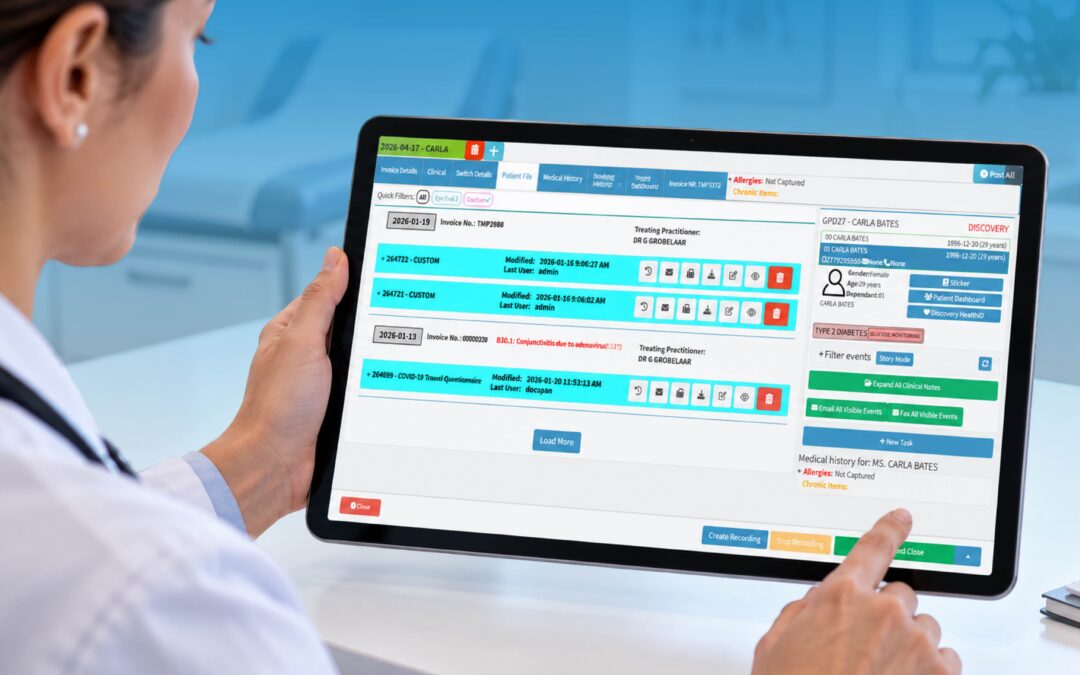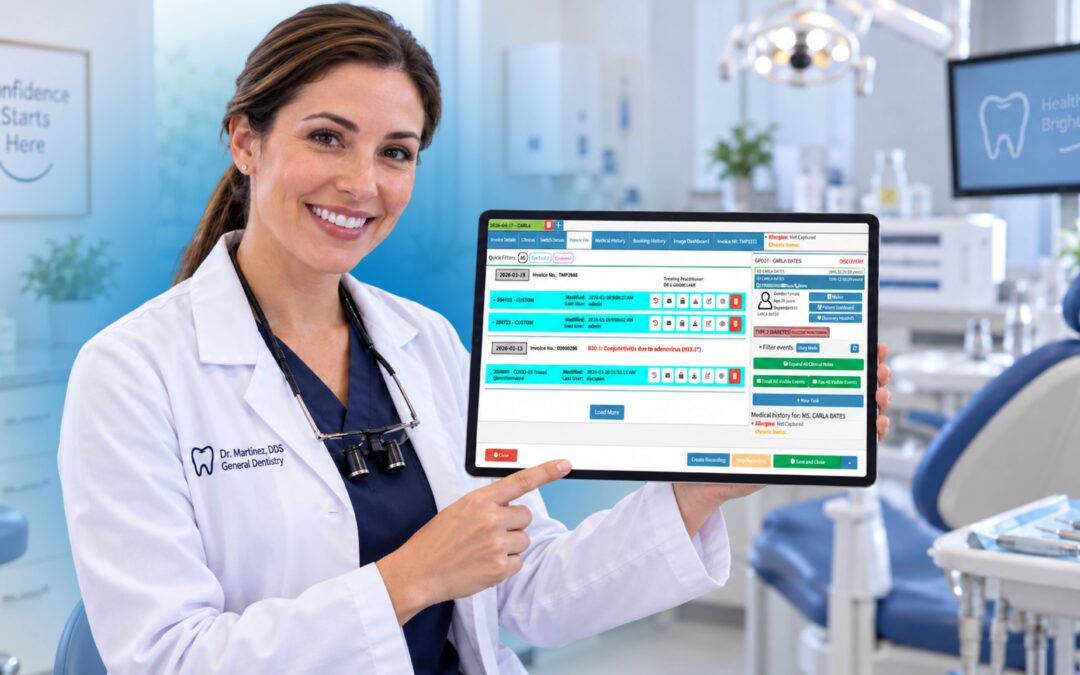

The way South African medical practices manage patient information has changed dramatically over the past decade. Paper records that once filled entire filing rooms have been replaced by electronic systems that store, retrieve, and share clinical data in seconds. Electronic medical records software is now central to how modern practices operate, not just for efficiency but for compliance, accuracy, and patient safety.
If your practice is evaluating EMR options or reconsidering its current setup, this guide gives you the full picture. You will learn what the four types of EMR are, whether free EMR systems are worth considering, which platform is most commonly used by South African clinics, and what the top EMR systems for clinics in South Africa actually offer.
EMR (Electronic Medical Records) Software: The Foundations
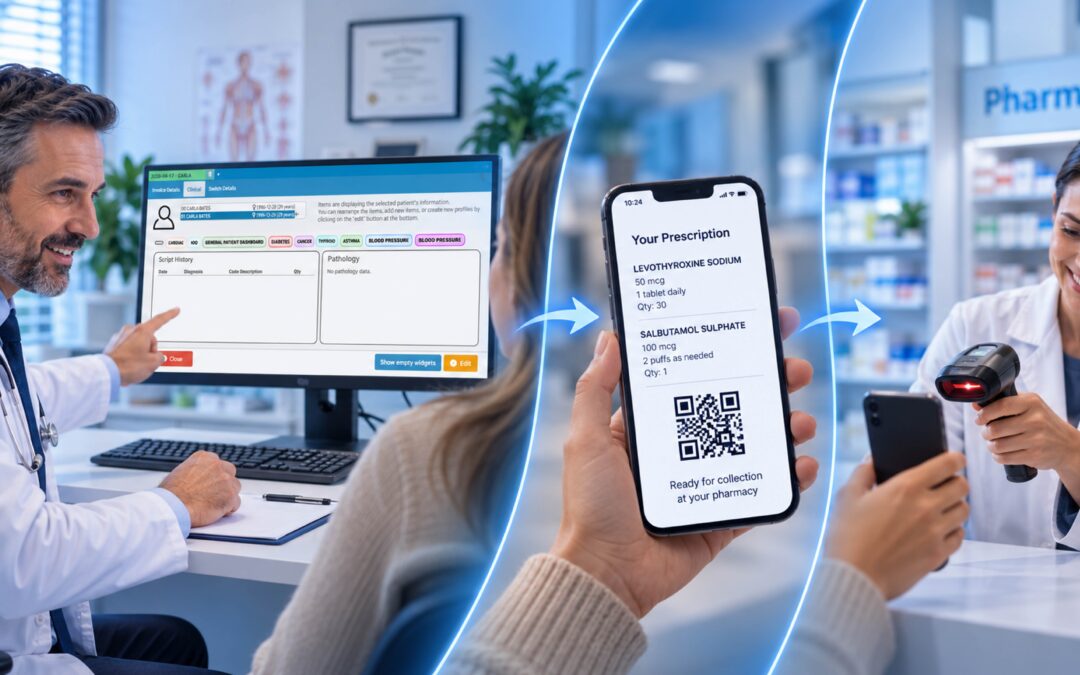
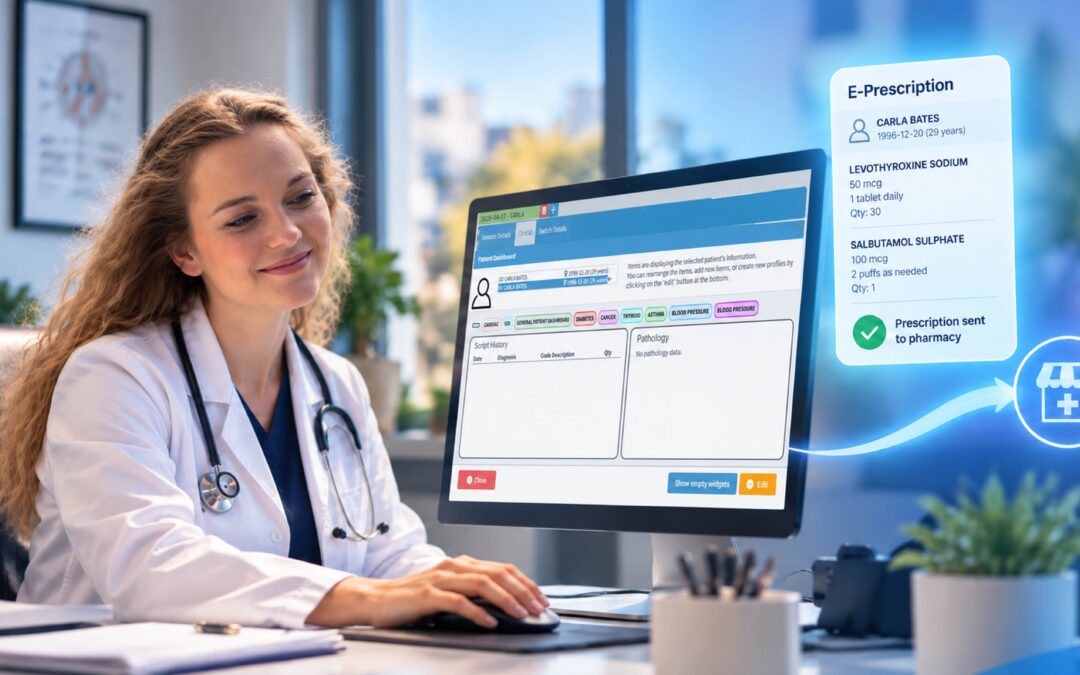
Electronic medical records software is a digital system for capturing, storing, and managing patient health information. It is the digital equivalent of the paper clinical file, except it is searchable, auditable, accessible to authorised users from anywhere, and connected to your billing and scheduling workflows.
An EMR is often used interchangeably with EHR (Electronic Health Record), though there is a distinction. EMRs are typically practice-specific. They contain the records created and used within a single practice. EHRs are broader and designed to be shared across multiple providers and healthcare settings. For most South African GPs and specialists, a well-designed EMR platform that also supports inter-practice communication covers both needs effectively.
The World Health Organization identifies digital health records as a fundamental component of a functioning health system. In South Africa, the push towards digital records is supported by the broader National Digital Health Strategy, which encourages practices to adopt integrated health information systems.
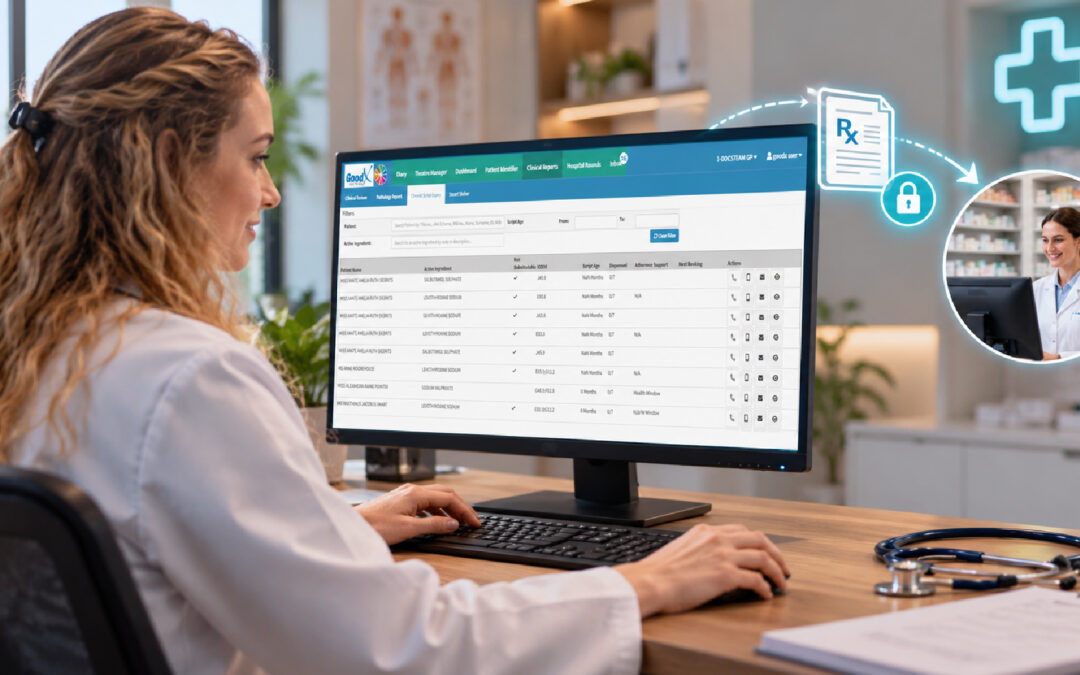
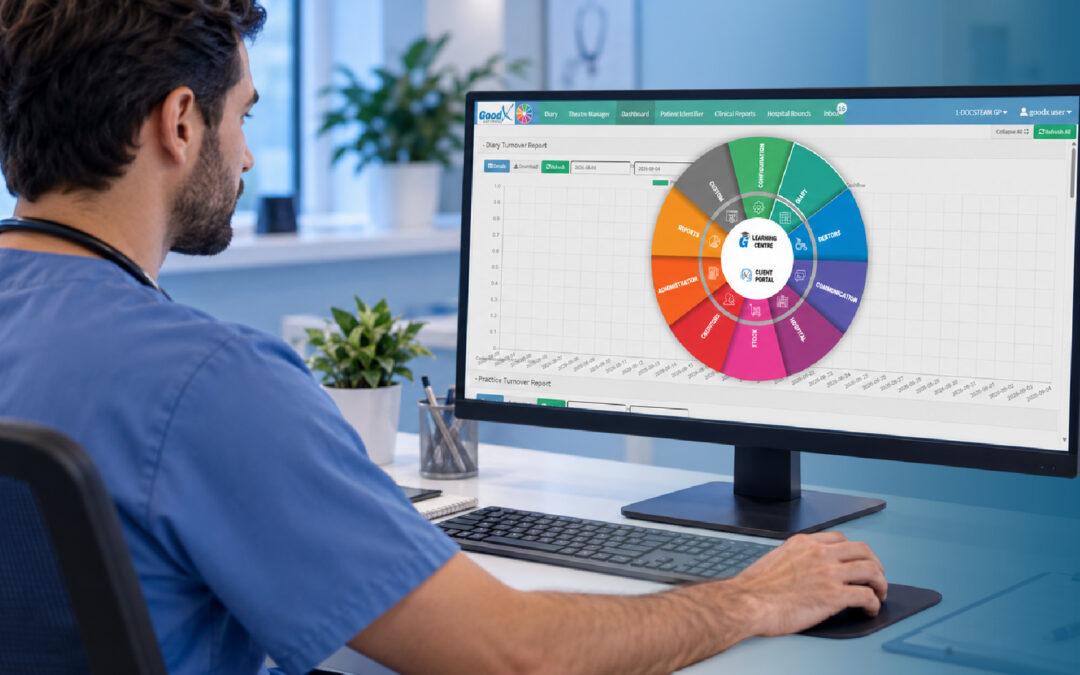
What is the most commonly used medical software in South Africa? GoodX is consistently cited as the leading platform among private practitioners, combining clinical records, billing, and practice management in one fully integrated solution.
What Are the 4 Types of EMR?
Understanding the landscape of EMR systems helps you identify what type of solution your practice actually needs.
- Physician-Focused EMRs. These are built around the clinical workflow of a single practitioner or a small group. They prioritise consultation documentation, prescription management, and clinical note-taking. They tend to be easier to learn and faster to implement for solo GPs or specialists.
- Practice-Wide EMRs. These serve a larger practice with multiple practitioners across different specialities. They include features for shared patient records, referral tracking, and multi-practitioner scheduling. The administrative layer is more robust to support a larger team.
- Hospital or Enterprise EMRs. These are designed for hospitals, large clinics, or healthcare groups. They manage bed allocation, theatre scheduling, nursing records, and complex interdepartmental workflows. For private practitioners, this level of complexity is usually more than necessary.
- Cloud-Based EMRs. Rather than a deployment category, cloud-based EMRs represent a delivery model that applies to any of the above. Cloud platforms are hosted remotely and accessed via browser or app, which makes them more cost-effective, easier to maintain, and more accessible across devices and locations. This is the dominant model for new practice management software in South Africa today.
Is There a Free EMR System?
This question comes up frequently, especially from new or smaller practices looking to manage startup costs. Is there a free EMR system available? Yes, some exist. The more important question is whether a free system can meet the real-world demands of a South African practice.
Free EMR platforms typically offer basic record-keeping without the billing integration, medical aid scheme connectivity, ICD-10 SA coding, or local regulatory compliance that South African practices require. They may work for documenting clinical notes, but the moment you need to submit a claim, reconcile a medical aid payment, or generate a practice performance report, a free tool will fall short.
Top EMR systems for clinics in South Africa are not necessarily the most expensive, but they do carry a cost that reflects the value of proper scheme integration, local code support, data security, and ongoing local support. GoodX, for example, is subscription-based and priced to deliver clear return on investment through faster billing cycles and lower rejection rates.
According to the Health Professions Council of South Africa, practitioners are responsible for maintaining complete, accurate, and retrievable patient records. A free system that lacks proper backup, audit trails, or data security puts that obligation at risk.
Top EMR Systems for Clinics in South Africa
When evaluating the best electronic medical records software for South African clinics, several factors distinguish the top performers from the rest.
Local medical aid integration is the first filter. A platform that cannot submit claims directly to South African schemes forces your team into a manual process that adds hours of work each week and introduces billing errors. The leading platforms, including GoodX, handle claim submission, remittance tracking, and debtor management natively.
ICD-10 SA code support matters more than practitioners sometimes realise. Incorrect or incomplete coding is a leading cause of claim rejection in South Africa. Top EMR systems build the code set directly into the consultation workflow so practitioners and billers apply the right codes at the point of capture, not after the fact.
Clinical documentation depth separates adequate systems from excellent ones. The best platforms allow practitioners to create structured consultation notes, attach files and images, manage chronic treatment plans, and generate referral letters without switching between applications.
Data security and POPIA compliance cannot be optional. The Information Regulator of South Africa enforces strict requirements around patient data handling. Electronic medical records software must encrypt data in transit and at rest, enforce role-based access controls, and maintain full audit logs.
Frequently Asked Questions
What is electronic medical records software?
Electronic medical records software is a digital system used by medical practices to capture, store, and manage patient clinical information. It replaces paper files with searchable, secure, and auditable records that can be accessed by authorised staff in real time. Modern EMR platforms also integrate with billing and scheduling systems to support full practice management.
What are the 4 types of EMR systems?
The four main types are physician-focused EMRs for solo practitioners, practice-wide EMRs for multi-practitioner settings, hospital or enterprise EMRs for large facilities, and cloud-based EMRs which represent a delivery model available across all categories. Most South African private practices benefit most from cloud-based, practice-specific platforms.
Is there a free EMR system suitable for South African practices?
Free EMR systems exist but typically lack the medical aid integration, ICD-10 SA coding, and local compliance features that South African practices require. They may cover basic record-keeping but fall short when it comes to billing, scheme submissions, and POPIA-compliant data management. A low-cost subscription platform generally delivers far better value in the local context.
What is the most commonly used medical software among South African GPs?
GoodX is widely regarded as the most commonly used integrated practice management and EMR platform among South African private practitioners. It combines clinical records, billing, medical aid submissions, and practice analytics in a single locally developed system that is built around the specific requirements of the South African healthcare market.
How do I choose the right EMR for my South African clinic?
Start with local scheme integration as a non-negotiable requirement. Then evaluate ICD-10 SA coding support, clinical documentation depth, data security, POPIA compliance, and the quality of local support. Request a demo before committing, and ask specifically about implementation timelines and what onboarding assistance the vendor provides.
Find Out Why South African Practices Choose GoodX
GoodX is South Africa’s leading electronic medical records and practice management platform, trusted by practitioners across the country to manage their clinical records, billing, and scheme submissions in one integrated system.